
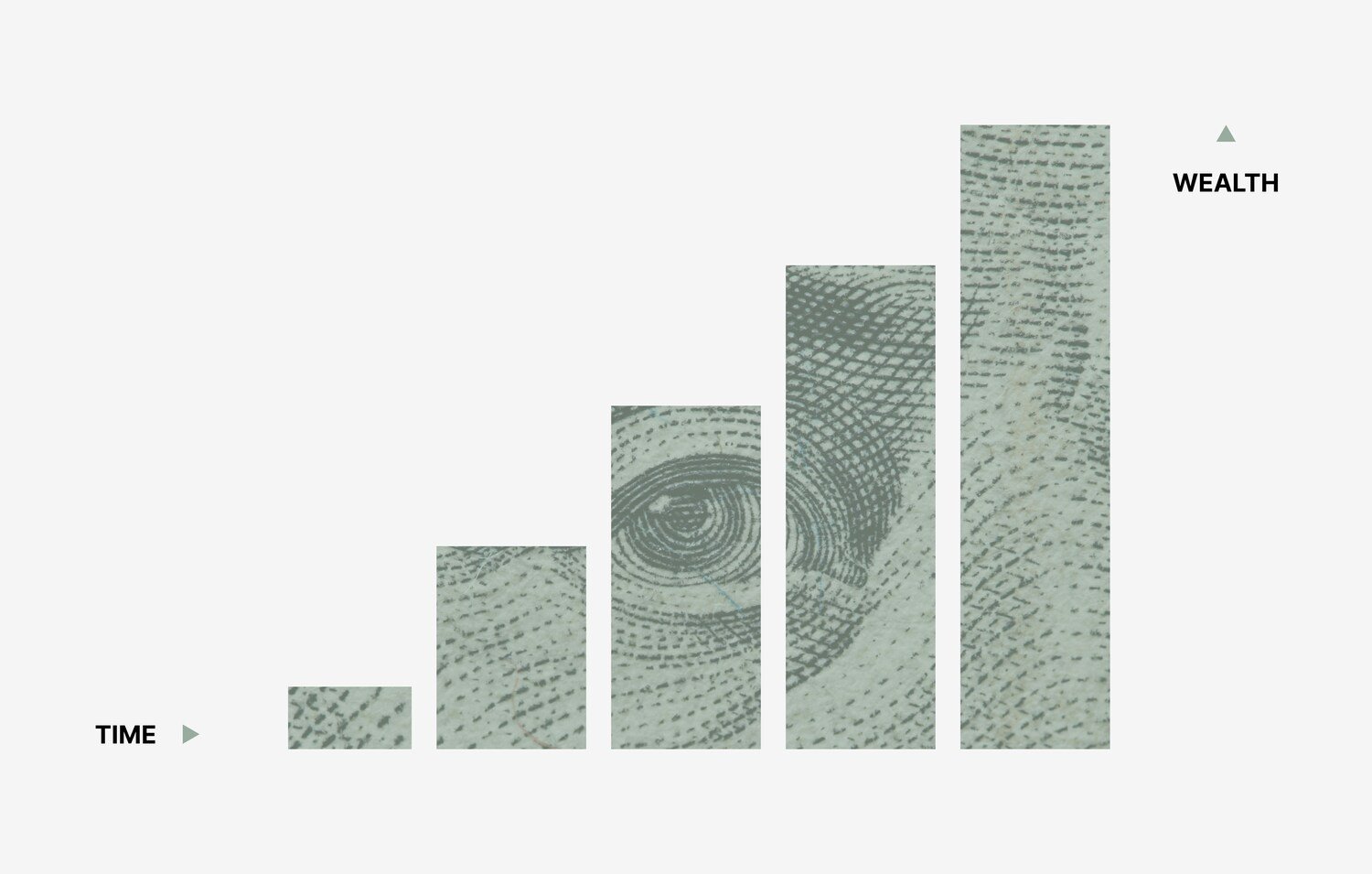
Everyone wants to build wealth. But not everyone does it the right way. In fact, many people follow popular advice, hardship hard or even make decent money, but still find themselves spinning their wheels when it comes to long -term financial stability. They do what they think is right: Budgeting, investing, avoiding debt and work side performance. But somehow it does not translate the kind of financial freedom they imagined.
The truth is that building wealth is not just about efforts. It’s all about direction. If you put your energy into the wrong habits or outdated strategies, you can unconsciously sabotage your progress. In 2025, with the economy that develops and economic tools that change faster than ever, the rules of wealth building are changing. Here are seven signs that you may be building wealth in the wrong way and what to consider instead.
7 characters, you build wealth in the wrong way
1. You are more focused on income than assets
One of the most common mistakes people make is to equate a high income with wealth. Yes, earning more can certainly help, but it is not automatically translated into financial security. If you make six numbers but use almost everything to maintain a particular lifestyle, you don’t actually build wealth. You just live expensive.
Wealth is not about what you earn but what you hold, and more importantly, how you grow what you hold. Owning appreciating assets such as real estate, shares or a company is what is changing your financial position over time. If your focus is solely on your paycheck and not on acquiring or building valuable assets, you may work hard without building a sustainable economic future.
2. You save but do not invest
Another sign that you are heading down the wrong way is to rely too strongly to save and not enough to invest. While savings accounts are important for short -term emergencies and liquidity, they do not generate real growth. With inflation that continues to chip away at the purchasing power, money sitting on a low-interest saving account is actually losing value over time.
Many people feel more confident in keeping money in cash because it seems to be “stable” but this security comes at a price. Investment, whether in a diversified portfolio, real estate or other growth -oriented tools, is what allows your money to work for you. If you still operate under the belief that saving alone will lead to pension security or long -term wealth, it may be time to re -evaluate.
3. You use debt to fund a lifestyle, not build leverage
There is good debt and there is bad debt. Unfortunately, many people blur the line without realizing it. If you use credit cards, personal loans or even HELOCs to buy items that do not value in value, like holidays, vehicles or new gadgets, you do not use strategic debt. You use it to support a lifestyle that may not be financially sustainable.
Real fortune builders use debt differently. They utilize it to invest in things that generate returns, such as rental housing, business expansion or education leading to significantly higher income. Debt can be a tool or trap and if your debt is mostly tied to consumption instead of creation, you’re probably on the wrong track.
4. You don’t have a tax strategy
Many people work hard, invest regularly and save diligently, but they still end up being paid in taxes. If you do not have a long -term tax strategy, you can hand over thousands of dollars unnecessarily every year. This is one of the most overlooked areas of personal economics, but it is nevertheless one of the most powerful handles to accelerate wealth.
Without smart planning, such as using tax -distributed pension accounts, strategically reaping gains or losses or establishing a business unit, you probably give money that could have been reinvested. And if you are self -employed or owning property, the tax code actually offers several ways to reduce your taxable income. Rich individuals often focus more on tax planning than on income growth because they understand how significantly it affects their bottom line.
5. You are not planning in the long term
Wealth building is not just about the next five years. It’s about what happens in the next thieves, thirty or even fifty. If your financial habits focus only on short -term gains or solve immediate problems, you may be missing the larger image. Things such as inheritance planning, costs for healthcare for retirement or protection of assets against future obligations should all be part of your strategy.
Too many people assume that as long as they are not in debt and put something in a 401 (k), they are covered. But it is not true wealth planning. The wealthy thinking about generations, not just decades. If you have not mapped out where your money should go in case of death, incapacity or downturns, your current plan may be too low to really preserve and grow wealth.
6. You follow advice in one size that fits all
It is easy to get swayed by generic financial advice online, especially when packed in bitty size “Thumb rules” as “Use less than you earn”, “Max your Roth IRA” or “Buy dip.” Although these are useful starting point, they are not tailored to your specific goals, risk tolerance or financial situation. What works for someone in 20s without children can be completely wrong for someone approaching retirement with a paid house and complex tax needs.
If you base your wealth building plan solely on massage markets advice, or what influences saying on social media, you may be missing out on personalized strategies that can dramatically improve your results. True wealth comes from building a plan that suits your life, not from imitating someone else’s highlight.
7. You measure success at performance
In today’s hyper-visual, social media-driven world, many people confuse wealth with the appearance of wealth. Fancy cars, designer clothes, big homes or lavish holidays often give the illusion of financial success, but they are often funded by debt or come at the expense of genuine financial independence.
If you spend on impressing others or to accommodate an external picture of what success should look like, you are probably undermining your own goals. Wealth is quiet. It seems to have choices, not obligations. It seems to be able to walk away from a bad job or help a loved one in crisis without ruining your future. If your focus is on optics instead of ownership, you build a life that can be rich in moments but poor in substance.
Rethink, reconstruction, customization
The road to wealth is not a straight line and it is easy to be misled, even with good intentions. If any of these signs resonate with you, that doesn’t mean you’re convicted. It just means there is room for adjustment. True prosperity building requires clarity, discipline and the willingness to challenge old assumptions. Sometimes it takes to slow down, become honest with yourself and seek expert advice tailored to your unique situation.
In 2025, financial success is not just one of those who earn the most. It belongs to those who think strategically, act on willingness and adapt constantly.
Do you build wealth in the right way? Which of these characters hits home for you? Did you make a shift in your financial strategy recently?
Read more:
Six ordinary tabs that cause wealth to disappear
Don’t believe in wealthy-hathers — they most of the wealthy in America are self-made

Riley Jones is a native in Arizona with over nine years of writing experience. From personal finances to traveling to digital marketing to pop culture. When she is not writing, she spends her time outside, reading or cowing with her two Corgis.